Showing posts with label vomiting. Show all posts

Monday, April 27, 2015

What brings you here, today? The top 10 feline medical problems of 2014

Dr. Brooks examines a pediatric patient


If you have had a cat for any length of time, you have probably had to take him or her to the veterinary hospital for something other than an annual checkup at least once - anything from a bite wound from another cat to a broken toenail; stuffy noses, runny eyes or even (every cat owner's nightmare) choosing to urinate outside the litterbox.

Have you ever wondered, while sitting in the exam room waiting for the doctor, what other visitors to the hospital are bringing their cats in for? Veterinary Pet Insurance analyzes their claims each year, which can give us a good idea why most people are bringing their cats in to see the veterinarian. Last year, the top 10 reasons that cats visited the veteirnarian for a health issue were:

Cancerous cells typical of lymphoma

10) Lymphoma: a common and treatable form of cancer that affects one of the white blood cells (lymphocytes) and lymph nodes of a cat


9) Upper respiratory infection: Many young cats and kittens visit us because they are sneezing or have a runny nose or watery eyes. Some cats that have been affected by an upper respiratory infection as a young cat may have chronic but fairly manageable problems for the rest of their lives.

8) Inflammatory Bowel Disease: IBD is not a single disease but a complex group of symptoms and conditions that result from increased inflammation in the digestive tract. This condition can cause problems with digestion and absorption of nutrients, susceptibility to bacteria and viruses in the intestinal tract, vomiting, diarrhea, weight loss, poor hair coat, increased production of hairballs and more. For more information, you can read our blog article on IBD, here.

Drawing up insulin injections for a diabetic cat


7) Diabetes: Middle-aged to older cats, especially males and overweight cats are at higher risk for diabetes. As the obesity problem in US pets grows, the prevalence of diabetic pets has also increased. Almost 60% of cats are overweight in the United States, according to data collected by the Association for Pet Obesity Prevention (APOP) last year (2014).  For more information, you can read our blog article on diabetes, here.

6) Diarrhea or intestinal upset: Sometimes caused by intestinal parasites, diarrhea can be any stool that is soft or not well-formed, whether the cat can make it to the litterbox or not. Other causes of diarrhea may include diseases such as thyroid disease, IBD, or other problems, such as constipation (oddly enough), or eating a non-food item, such as a toy or ear plug.

5) Excessive thyroid hormone: Overactive thyroid glands produce more thyroid hormone than necessary, which can cause symptoms such as increased hunger and thirst, rapid heart rate, hyperactivity, vomiting, diarrhea and weight loss. For more information, you can read our blog article on hyperthyroid disease, here.

4) Vomiting/upset stomach: Vomiting may be related to an underlying medical issue such as thyroid disease, or may be caused by a food allergy, ingestion of a non-food item, a hairball that has become stuck in the digestive tract, heartworm disease, constipation or other problems.

3) Chronic kidney disease
: A common problem in older cats is a progressive decrease in kidney function which can cause symptoms such as weight loss, vomiting or nausea, poor appetite.  For more information, you can read our blog article on Chronic kidney disease, here.

Annual oral exams help prevent serious dental disease


2) Periodontitis/dental disease: About 85% of cats over the age of 3 years have some amount of dental disease. Imagine the state you might be in if you didn't brush your teeth for three years or more! Most cats will need some level of dental care at some point in their lives. Just like people, a lot of a cat's dental health is related to genetics - enamel strength, tolerance of bacteria in the mouth, but regular dental checkups and cleanings can help prevent severe dental disease. For more information, you can read one of our blog articles about dental disease, here.

Making sure your cat likes the litterbox can help prevent urinary issues


1) Bladder or urinary tract disease: Just like VIP, the most common reason that we see cats for
medical care at Exclusively Cats is due to bladder or urinary problems - often because the cat has started to urinate outside the litterbox. There are many reasons that a cat might develop litterbox issues, many of which are medical and none of which are due to revenge or spite, despite what many people think or feel. As Dr. Deporter at Oakland Veterinary Referral Service is fond of saying, a cat's urine marking behavior is like leaving a sticky note with important information in a certain area. When we go by and clean up the urine without looking for the root of the problem, we are removing valuable cat information from the spot. This means the cat feels the need to re-post the sticky note - and they will continue to do so until the problem is addressed. The cat can read the "sticky note", other cats can read the "sticky note", but we humans cannot read the "sticky note" and need to use other means to figure out what the cat is trying to tell us. Sometimes it may simply be "Hey! My litterbox is stinky!" other times it may be a different cry for help. For more information, please read the 4 part series of blog articles that we have prepared on bladder and litterbox issues which begins here. 

Monday, March 23, 2015

Heartworm infection in cats - it really is a worm, but it might not be in the heart!


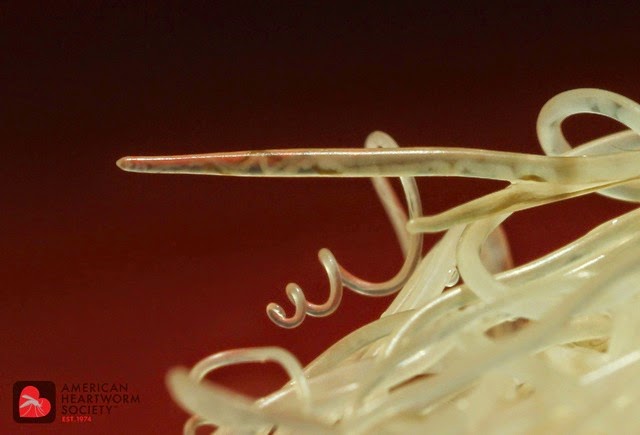
Heartworms are exactly what they sound like – worms in the heart!  They are 9-11 inches long and live either in the heart or in the arteries that supply blood to the lungs.  Although they occur commonly in dogs, most people do not consider them to be a problem in cats.   However, recent studies have shown heartworms to be far more prevalent than previously thought. 

Heartworm Transmission             

Heartworms are transmitted by mosquitoes.  When a mosquito carrying baby heartworms (larvae)
bites a cat, the larvae are deposited under the cat’s skin.  The larvae then begin a long migration through the tissues, eventually reaching the heart.  They mature into adult heartworms about 6 months from the time they enter the cat.  The life span of an adult heartworm in a cat is about 2-3 years (in dogs, the worms may live 7 years or so). Cats are infected with heartworms only when bitten by a mosquito that is carrying heartworm larvae.  Cats that spend time outdoors are more likely to be exposed, but mosquitoes that enter our homes can be just as dangerous to our indoor-only friends. At Exclusively Cats Veterinary Hospital, we have seen several indoor-only cats that have developed severe illness related to heartworm infection.

Clinical Signs of Heartworm Disease

 
One of the difficulties in diagnosing heartworm disease in cats is that there are no specific or consistent signs of disease.  The disease in cats is also very different in cats than in dogs. So much so, in fact, that it has been given the name "Feline Heartworm Associated Respiratory Disease" (or, H.A.R.D.). Immature heartworms in cause significant disease in the small arteries supplying the lungs in about 50% of cats that are infected - before any of the worms mature to adulthood. In some cases, the immature worms die 3-4 months after entering the arteries and cause a severe inflammatory reaction that may result in sudden death of the infected cat. If the worms and the cat survive past this initial phase, the worms act to suppress the cat's immune system.

For many months there may be little or no apparent changes in the cat.  However, as the worms mature, any heartworms that have reached the heart may begin to put strain on the heart muscle and cause a heart murmur, high blood pressure or increased heart rate (tachycardia). Infected cats may cough or have difficulty breathing, and they may be weak or lose weight. These signs of heartworm disease in cats may be easily mistaken for asthma, allergic bronchitis or other respiratory diseases.

Strangely, some cats with heartworms have a history of vomiting with no respiratory signs or signs of heart failure.  Some cats seem to be normal, then die suddenly.  This may occur due to the aforementioned reaction within the lungs to young heartworms or when the pumping action of the heart sends a worm or blood clot (thrombus) into the main arteries leading to the lungs (pulmonary arteries).  If these blood vessels become blocked, the cat will die suddenly.  Additionally, in cats, more so than dogs, the worms may migrate to unusual areas of the body, such as the abdominal cavity or the central nervous system.

The symptoms of heartworm associated respiratory disease are:

  • anorexia
  • coughing
  • difficulty breathing (increased respiratory rate or effort)
  • lethargy
  • weight loss 
  • vomiting
  • rapid heart rate
  • heart murmur
  • blindness
  • collapse
  • convulsions
  • diarrhea
  • fainting
  • sudden death

Diagnosis of Heartworm Disease      

There are two blood tests that are very helpful in diagnosing heartworm infections in cats, however neither test is conclusive on its own. 
                       
1)      Antibody test.  This test determines whether the cat’s immune system has been exposed to heartworms.  If a cat has ever been infected with heartworm disease in its lifetime, it will test positive, whether or not there are live worms in the cat's body at the time of testing. Therefore, a positive test result may indicate that an active infection is present, OR the cat has had heartworms in the past, but the heartworms have died.  This test is very sensitive, so it is used first. It will give a positive result as soon as 2 months after infection, but once the worm becomes an adult, the test may provide a false negative result, especially in cats with no clinical signs. If this antibody test is positive the next test is performed.

2)      Antigen test.  This test detects the presence of adult female worms.  It is very specific, and is considered the "gold standard" in dogs, but in cats, it is not as sensitive.  This test will not give a positive result in a cat until 5-8 months after infection. A positive antigen test means that heartworms are present, but a negative test does not mean that heartworms are absent.  Because the cat must have at least 2 adult female worms present to make this test positive, a negative antigen test may mean that the cat has only a small number of worms or that all of the worms present are male. A typical feline heartworm infection consists of 6 or fewer worms, with the majority of cats having only one or two worms in their body. This is still considered to be a "heavy" or "significant" infection. Approximately 1/3 of feline heartworm infections consist of only males or only females.

In summary, a diagnosis of heartworms is confirmed if both the antibody and antigen tests are positive.  However, a cat infected with heartworms can have a positive antibody test and a negative antigen test (if the heartworms are all male). 

Additional diagnostics may include the following:

3)      Eosinophil count.  Cats suspected of heartworm disease can be tested for their level of eosinophils.  Eosinophils are normal white blood cells that occur in increased numbers when certain parasites are present.  They are elevated in the presence of heartworms, but this elevation only occurs for a few months.  In addition, cats with intestinal parasites (“worms”) and allergies also commonly have increased eosinophil counts.

4)      Autopsy after sudden death.  Many cats show no clinical signs of illness before sudden death due to heartworm disease.

Radiographs               
Radiographs (x-rays) allow us to view the size and shape of the heart and measure the diameter of the pulmonary arteries.  Many cats with heartworms have an increased size of the pulmonary arteries.  Sometimes these arteries appear to come to a sudden stop (blunted) on their way to the lungs due to worms obstructing them, or the vessels may look twisted or "tortuous".  However, many cats with heartworms have no abnormalities on their radiographs, especially early in the infection. Additionally, cats with certain other parasites, such as Toxocara (roundworms) or Aleurostrongylus (lungworms) may have similar lung patterns.

Ultrasound                 
An ultrasound machine produces an image of internal organs and structures without the use of radiation.  With it, one is able to view the pulmonary arteries and internal structures of the heart.  In some cats the heartworms can be seen, but unfortunately most of the time they are not visible. This method of diagnosis is most accurate about 5 months after infection.

Treatment for Feline Heartworm Disease 

Dogs that have heartworms can be treated with a medication that kills the adult worms in the body.  Unfortunately, there is no such drug for cats.  Another problem is that when the heartworms die, they pass through the pulmonary arteries to the lungs.  This can result in sudden death.  So… we have a dilemma when a cat is diagnosed with heartworms.  One of the following choices must be made:
 
1)      Treat with the drug designed for dogs.  This is not advised as this drug is not approved for cats, the medication is toxic at very low doses and the chance of complications and side effects is high. To date, no study has found a medical treatment to significantly increase the survival rate of cats with heartworm disease.

2)      Treat the symptoms of heartworm disease and hope the cat outlives the worms.  Since heartworms live in a cat for about 2-3 years, prolonged treatment is often needed.  When cats are in crisis, they are treated with oxygen, corticosteroids (“cortisone”) to relieve the reaction occurring in the pulmonary arteries and lungs, and if needed, drugs to remove fluid from the lungs (diuretics).  When cats are stable (not showing any signs of disease), they are treated continuously or periodically with corticosteroids, although the threat of an acute crisis or sudden death always exists. 

3)      Attempt to surgically remove as many worms as possible from the heart itself.  This surgery is very delicate and is quite risky from an anesthetic standpoint, although it has been successful in a number of cats.  Medical therapy is needed in addition to the surgery. 

Prevention                 
It is strongly recommended that all dogs take medications to prevent heartworms, and some of these medications have been formulated for cats.  Prevention of heartworms in cats is safe and easy.  The
reasons a preventative should be considered in your cat are:

1)      Diagnosing heartworms in cats is not as easy as it is in dogs. 

2)      Although heartworms in cats are not as common as they are in dogs, they are probably more common than we realize.  As we look more aggressively for heartworms in cats with better and better tests, we expect to find that the incidence is greater than we thought in the past. 

3)      There is no good treatment for heartworm disease in cats.  Effective drugs are not available, and cats that seem to be doing well may suddenly die.  Heartworm disease in cats is risky, and not treating these cats is just as risky. Even if treatment is successful in relieving symptoms, and even if the worms die in 2-3 years without incident, the cat may experience lifelong respiratory issues that require treatment.

4)      Heartworm prevention medication is safe for cats and kittens as young as 6 weeks.  They only have to be given once each month and they are formulated so that (most) cats will eat them readily. If a cat will not take an oral medication, topical monthly heartworm medications are also available.

5)      Indoor cats can get heartworms!  Because contact with mosquitoes is required for transmission, outdoor cats are more likely to be exposed.  However, about 25% of cats diagnosed with heartworms are reported by their owners to be indoors only.  This simply means that mosquitoes that come in the house are just as dangerous as the ones outdoors.

It is important to continue treating with heartworm preventives for 30-90 days after the end of heartworm season, since prevention works retroactively by flushing the system of any immature heartworms that have been introduced into the cat. For cats in Michigan, this usually means that they should be given preventive medication April through November or December. However, year-round prevention is likely the safest option. April is right around the corner, so make sure you check to see if you need to pick up some heartworm preventive!

Heartworm infection in cats can be a very serious and potentially fatal disease.  Fortunately, prevention is very easy and safe.  Please feel free to discuss any questions or concerns you have about heartworm disease or any other topics with the staff at EXCLUSIVELY CATS.

Thank you for allowing us to help you care for your cat!


Resources:

The American Heartworm Society Feline Guidelines

Monday, December 29, 2014

How could my cat be sick? He acts like a kitten! - Hyperthyroid disease and your cat

The many faces of feline Hyperthyroid Disease | Exclusively Cats Veterinary Hospital, Waterford, MI


THE MANY FELINE FACES OF HYPERTHYROIDISM 

What is hyperthyroidism?

The thyroid is a gland located in the neck. It plays a very important role in regulating the body's rate of metabolism. Hyperthyroidism is a disorder characterized by the overproduction of thyroid hormone (thyrotoxicosis). When excessive amounts of thyroid hormone are in the circulation, the body's metabolism speeds up greatly.
Location of the Feline Thyroid Glands | Exclusively Cats Veterinary Hospital, Waterford, MI
Location of the thyroid gland

 
1: Normal thyroid gland. 2, 3: parathyroid glands. 4: enlarged thyroid gland
Hyperthyroidism is a fairly common disease of older cats. It is estimated that about 5-10% of cats will develop hyperthyroidism in their lifetimes. Although the thyroid gland enlarges, it is usually a non-malignant (benign) change.  Less than 2% of hyperthyroid cases involve a malignant change in the gland.

What does this do to the cat?

The typical cat with hyperthyroidism is middle aged or older; on the average, affected cats are about 13 years of age. The rapid rate of metabolism causes 95-98% of cats with this disease to lose weight. The cat tries to compensate for this with an increased appetite. In fact, 67-81% of these cats have a ravenous appetite and will literally eat anything in sight! Despite the increased intake of food, most cats gradually lose weight. The weight loss may be so gradual that some owners will not even realize it has occurred.  Affected cats usually drink a lot of water and urinate frequently. There may be periodic diarrhea or vomiting, and the hair coat may be unkempt. As the disease progresses, the cat's appetite may decline to the point of anorexia.

In addition to:
  • weight loss
  • increased appetite
  • vomiting
  • diarrhea
  • unkempt coat
other signs of hyperthyroidism that may be noticed include:
  • increased thirst
  • increased or more frequent urination, larger clumps in the litterbox, or inappropriate urination outside the litterbox
  • increased activity
  • increased vocalizations 
  • pacing or restlessness
  • anxiety
  • panting or rapid breathing

How is hyperthyroidism diagnosed?

The disease is most commonly diagnosed by determining the blood level of one of the thyroid hormones; the hormone most frequently measured is T4. Usually, the T4 level is so high that there is no question as to the diagnosis. Occasionally, a cat suspected of having hyperthyroidism will have T4 levels within the range of normal cats. In this case, a second test, called a T3 Suppression Test, is performed. If this is not diagnostic, a thyroid scan can be performed at a veterinary referral center.
Cat before and after becoming hyperthyroid | Exclusively Cats Veterinary Hospital, Waterford, MI
Hyperthyroid cat before becoming hyperthyroid, and again at the time of I131 treatment

Is this disease treatable?

Because less than 2% of these cats have cancerous growths of the thyroid gland, treatment is usually very successful.  There are three choices for treatment; any one of them could be the best choice in certain situations.  Many factors must come into consideration when choosing the therapeutic option for a particular cat.

What would happen if I chose not to treat my cat's hyperthyroidism?

Hyperthyroid is a deadly disease if left untreated. The effects that hyperactive metabolism has on the body are progressive, and this is a disease that will not resolve on its own. Over time, a cat that is hyperthyroid will develop problems associated with malnutrition because the overactive metabolism is using up calories and nutrients more quickly than usual. Add to that the likely side effects of vomiting and diarrhea, and an untreated cat will also become severely dehydrated.

The increased heart rate of a hyperthyroid cat will cause the heart muscle to thicken, and many will develop cardiomyopathy (poor muscle contractions) and eventual congestive heart failure. The high blood pressure that often goes hand in hand with hyperthyroid disease can cause damage to many sensitive organs in the body, including the kidneys, the eyes and the brain - as these blood vessels rupture from constant high pressure, blood supply is lost and tissues become unhealthy. This can cause kidney disease, neurologic effects due to damaged brain tissue, and blindness if the eyes are affected.

1) Radioactive iodine.  Probably the safest, and definitely the most effective way to destroy the abnormal tissue is with radioactive iodine (I131) therapy. In 95% of cats treated with I131, the cure is complete and permanent. Radioactive iodine treatment for cats requires one to three weeks of hospitalization at a veterinary clinic licensed to administer radiation therapy, and involves administration of the iodine via injection or oral capsule. The iodine is concentrated in the thyroid gland and destroys the overactive cells. At Exclusively Cats Veterinary Hospital Cats RadioIodine Treatment Center, the cats are treated with an oral dose and isolated for one week at the hospital followed by one to two weeks of isolation within the home.

Here is a vivid demonstration of a cat before and 3 months after treatment.

2) Surgery.  Surgical removal of the affected thyroid lobe(s) (thyroidectomy) is also very effective.  Because hyperthyroid cats are usually over 10 years of age, there is a degree of anesthetic risk involved, but not necessarily any more risk than for other cats of similar age.  However, the risk is much less than most people think, as long as the cat is otherwise healthy.  Tests are done before surgery to evaluate the cat and predict the chances for complications. If the disease involves both lobes of the thyroid gland, two surgeries may be required, depending on the surgeon’s choice of procedures.  In many cats, only one thyroid lobe is abnormal, so only one surgery is needed. Possible side effects include possible damage to the parathyroid gland, which is intimately associated with the thyroid gland, possible post-surgical hypothyroidism (under-functioning of the remaining thyroid gland, or as a result of bilateral thyroid removal).

3) Oral medication.  Administration of an oral drug, methimazole, can control the effects of the overactive thyroid gland.  After starting the medication, results can be seen in just 2-3 weeks. Some cats have reactions to the drug, but that number is fairly small (less than 20%). However, the side effects may begin as many as six months after the beginning of treatment and can include vomiting, lethargy, anorexia, fever, and anemia. Less frequently, cats may develop facial itching, clotting disorders and liver malfunctions. Methimazole does not destroy the abnormal thyroid tissue, but rather prevents the production of excess thyroid hormone.  Therefore, the drug must be given for the remainder of the cat's life. If the medication is stopped, hormone production will return to high levels again and the cat's symptoms will return.

Some cats can be particularly difficult to regulate, or may be poorly sensitive to this medication, which can be a downside to choosing this method of treatment. Other cats are difficult to medicate and would be better served by I131 treatment. Methimazole is a medication that some cats metabolize well in a transdermal form, but this option is not tolerated by all cat, and there is some risk to the owner in applying a thyroid-inhibiting medication that is absorbed through the skin, so appropriate handling of the medication is important, and transdermal medication may not be an appropriate choice for cats living in a home with small children.
Periodic blood tests must be done to keep the dosage regulated. This type of treatment is appropriate for the cat that is a poor surgical risk due to other health problems.

Y/D Diet by Hills | Exclusively Cats Veterinary Hospital, Waterford, MI
4) Hill's Y/D diet.  Because the thyroid gland needs iodine to make thyroid hormone, feeding a diet with minimal iodine content should decrease the thyroid hormone levels of the cat. Feeding trials have indicated that after 3 weeks of feeding ONLY this diet - no treats, no human foods - thyroid levels are significantly reduced in most cats. Cats will not become hypothyroid while eating this diet, and a two year study suggests that cats that are NOT hyperthyroid that eat this diet will not suffer adverse effects. However, in practice, we have had a very difficult time getting cats to eat this diet, so while it is an option, it is a pricy (4 pounds of food is about $25 dollars and lasts about 3 weeks for a 7 pound cat) experiment that may not always pan out. There are many people who have had excellent results with this diet change, however, so it is definitely a viable treatment option. This treatment is not curative and the cat will need to remain on this diet for the rest of its life.

How Y/D diet works to treat thyroid disease | Exclusively Cats Veterinary Hospital, Waterford, MI
How Y/D diet works


If I elect to have surgery for my cat, what is the procedure?

If surgery is the treatment method chosen, the cat is put on methimazole for one to four weeks before surgery. This treatment should cause the ravenous appetite to subside, and your cat will probably gain weight. Some cats also have a very fast heart rate and may be medicated before surgery with another drug, such as Atenolol. After one to two weeks, another T4 level in the blood is measured.

The operation is performed in a sterile operating room and your cat is under general anesthesia. An incision is made along the neck just below the throat and the enlarged thyroid gland is removed. The skin is sutured together.

Your cat is generally hospitalized for one night following surgery and returns home feeling quite well. He or she should eat normally after returning home. 

Can hyperthyroidism occur again?

Recurrence is a possibility in some cats. Recurrence is uncommon after radioactive iodine therapy.  When surgery is performed, the chance of recurrence is slightly greater. It is usually not possible to surgically remove all of the cells from the abnormal thyroid gland. If those remaining cells grow, the disease may recur. However, this occurs less than 10% of the time and usually after 2-4 years.  Another possibility is that one side of the thyroid gland appeared normal at the time of surgery so it was not removed. Then, months or years later, it may become abnormal.

I think my cat is too old for anything but treatment with the oral medication or diet change.  Do you agree?

Many owners of cats with hyperthyroidism are hesitant to have radiation therapy or surgery because of their cat's advanced age. But remember, old age is not a disease. The outcomes following both surgery and radiation therapy are usually very positive, and most cats have a very good chance of returning to an excellent state of health. Some of the cats referred to our hospital in Waterford, Michigan, for radioactive iodine treatment have been as old as 20 years of age, and have done very well!

Monday, October 27, 2014

Disease Monograph: Feline Panleukopenia Virus


This little kitten was brought into our office because he had a poor appetite and a fever. Two days later, he had a severe drop in white blood cell numbers, and we suspected distemper. The next day, he started vomiting and having diarrhea and his parvo test was positive. We placed him on our isolation room on IV fluids and total parenteral nutrition (TPN) - since he wasn't eating and was severely dehydrated, we gave him all his nutrients through IV fluids - Plasmalyte (electrolytes), Procalamine (amino acids) and Intralipids (fats).

Distemper, Panleukopenia, Parvo, Infectious enteritis...whatever you call it, it's not good for cats.
For the purposes of this article, we will refer to this disease as Feline Panleukopenia Virus or FPV.

FPV is a disease that is highly contagious and almost always life-threatening. The virus that causes this disease is from the family Parvoviridae, which is the reason that one of its names is Feline Parvo. Others refer to the disease by some of its symptoms: Panleukopenia (a severe decrease in all types of white blood cells), Infectious enteritis (an inflammation of the intestinal tract that can be passed between cats), or Distemper (symptoms of Canine Distemper - a disease caused by an entirely different virus - are similar to many signs of FPV: fever, vomiting, diarrhea, seizures). The virus is a single strand of DNA inside a virus capsule that is extremely long-lived in the environment. It can survive freezing temperatures, is unaffected by alcohol, iodine, and general disinfectants, and is considered to be ubiquitous - or found everywhere in the environment. Just about the only thing that will destroy FPV is a 10 minute soak in a bleach solution.
Differences in structure in canine vs. feline Parvovirus

In the wild, the bobcat, the raccoon, and members of the Mustelid family (such as mink, skunk and otter) can carry the disease. Among other mammals, some species of monkey are susceptible to FPV. Despite the similar names and symptoms, FPV is not contagious to dogs, nor can cats contract Canine Distemper Virus or Canine Parvo Virus*. In fact, it is suspected by some scientists that Canine Parvo Virus is actually a sub-species of Feline Parvovirus - a mutation of the original, if you will - since some apparently healthy cats shed Canine Parvo Virus in their stool.


*Correction: Canine Parvo virus subtypes have been isolated from both domestic and wild felids, but does not appear to result in the same level of virulence as FPV (the cats are not nearly as sick). However, there is one published case from March 2014 that reports of a cat that was infected with CPV2c that was critically ill with symptoms mimicking FPV. The feline vaccine appears to provide adequate protection from Canine Parvo Virus, but most agree that more research should be done before this presumption is relied upon.

Transmission

Any unvaccinated cat is at risk for contracting FPV, but those at highest risk are cats that are immunocompromised, such as kittens age 2-6 months, pregnant females, cats with immune-suppressing diseases such as FIV and FeLV, and cats who are being treated with immune-suppressing drugs.

The virus is shed from the body in the stool, vomit, urine, saliva and mucus, and a cat may remain contagious and shedding the virus for at least six weeks following infection. Since the virus is so long-lived, it can be transmitted by handling contaminated items (called "fomites") such as food bowls, towels, and litterboxes, or shoes, clothing and hands that have come into contact with the virus.

Additionally, the virus can be passed from mother to developing kittens, and can be spread by fleas.

Generally, the virus enters the cat through the mouth and then affects the lymph nodes. It takes about 2-7 days for the virus to make its way to the bone marrow and the intestinal tract. In the bone marrow, the virus interferes with cell production, and in the intestinal tract, the virus causes ulceration of the lining of the gut that is in charge of absorbing nutrients and prevents damage to the intestinal wall from digestive acids and bacterial growth. Once the intestinal lining is damaged, the cat is at risk for infection from normal bacterial flora, perforation of the bowel, and may suffer from dehydration, vomiting, diarrhea, and malnutrition, eventually leading to septicemia (severe bacterial infection in the bloodstream) and shock.

Mortality in kittens is 90%, though if the kitten survives 5 days of infection, the chances or survival and recovery begin to improve. If a cat is able to recover from FPV, they maintain lifetime immunity. If a pregnant female is exposed to the virus in early to mid-pregnancy, she will abort the kittens. If exposed during the last 2-3 weeks of pregnancy, the kittens will develop a condition called cerebellar hypoplasia.


Symptoms


FPV affects the rapidly dividing cells in the body, especially the bone marrow, which produces red and white blood cells, and the lining of the gastrointestinal tract (stomach and intestines). Since a lack of white blood cells occurs (a panleukopenia), the cat develops risk for other bacterial and viral infections to occur. A decrease in red blood cells may occur (anemia) and platelet numbers may also decrease (thrombocytopenia). Severe anemia results in a lack of oxygen to the cells of the body, and a lack of platelets can result in clotting problems. If white blood cells, red blood cells and platelets are all decreased, it is called a "pancytopenia" - literally, a lack of all cells in the blood.

  • Vomiting
  • Diarrhea, especially bloody diarrhea
  • Fever
  • Weight loss
  • Depression
  • Anorexia, loss of appetite
  • Hiding
  • Rough hair coat
  • Anemia
  • Weakness
  • Neurologic signs
  • Shock
  • Abdominal discomfort, bloating, gas
  • Elevated third eyelids


Diagnosis


In-hospital Parvo test
Any time that we see a kitten with a fever, vomiting, diarrhea and poor appetite, we will recommend a complete blood count. If the kitten has a low white blood cell count, we will likely recommend a special Parvo test. This test is marketed for dogs for the detection of canine parvo virus, but the feline parvo virus is similar enough that the test is accurate in cats, as well - though vaccination within 5-12 days of the test can occasionally result in a false positive. To run this test, a small amount of fresh stool is collected from the patient.

Additional tests, such as PCR testing and antibody level analysis can also confirm the diagnosis of FPV.

Unfortunately, many kittens will show mild signs of illness, such as fever and depression, before the white blood cells become affected, which can delay the diagnosis of FPV if conservative treatment is chosen over full diagnostic evaluation. If a kitten dies suddenly, a necropsy (the term for an autopsy, when discussing animals), may be recommended to collect samples to test for the virus - especially if there are other kittens in the home.

Because all the symptoms of FPV do not necessarily appear at once, it may be easy to confuse FPV with other conditions, such as poisoning or the ingestion of a foreign body (kittens love to eat toys, strings, hair ties, rubber bands, ear plugs...), Salmonella, Feline Leukemia (FeLV), feline immunodeficiency virus (FIV), feline infectious peritonitis (FIP), and pancreatitis.

Additional testing, such as urinalysis or blood chemistries may be performed to help rule out other diseases and conditions, or to assess the severity of the disease. X-rays may be recommended if blood tests are inconclusive or the cat does not have a known history - such as a stray or recently adopted cat.

Treatment


There is no definitive cure for this disease, no medication that kills the virus that causes this disease. Cats affected with FPV must have immediate and intensive supportive care to help nourish and protect their bodies while the struggling immune system fights the virus. Since the lining of the intestine is being attacked, and nutrient absorption is decreased, most medications, if not all, will be given by injection - either into the vein (intravenously) or under the skin (subcutaneously). IV fluids will be necessary to protect the cat from severe dehydration due to poor nutrient absorption, lack of food and water intake and fluid loss from severe vomiting and diarrhea - TPN or total parenteral nutrition (IV fats and amino acids) will be administered this way, too, since affected cats are likely to vomit any food or water they eat or drink. Anti-vomiting medications will also likely be given.

Antibiotics may be given to aid the weakened immune system in preventing "opportunistic infections"  - exposure to bacteria that would not affect a normal, healthy cat, but that could be life-threatening to a cat with few white blood cells. In the case of FPV - the biggest concern is exposure to the normal bacteria living in the intestinal tract. As the protective lining of the gut is attacked by the virus, normally "friendly" bacteria may attack the unprotected cells and cause ulceration and eventually perforation of the intestinal wall, allowing bacteria to leak into the abdomen. In severe cases, the cat is given medication to help protect the intestinal lining from damage. Cats with severe depletion of both red and white blood cells (pancytopenia), or severely low blood proteins may require one or more blood or plasma transfusions.

Some suspect that treatment with immune-stimulation medications such as Interferon, or transfusion with antibody-containing serum may aid in fighting infection, but this therapy is not yet confirmed or considered to be routine.

An infected cat should be strictly isolated from other cats to prevent the spread of this extremely contagious disease.

Almost all recognized cases of FPV require hospitalization.

Prevention

If a cat in your home has been diagnosed with FPV, closely observe other cats in the home for signs of illness. You can use a bleach solution to clean any potentially contaminated toys, food dishes, beds, and litterboxes, but the safest way to ensure the virus has been eliminated from your home is to replace all possibly infected belongings with new ones. If your cat recovers from FPV infection, he or she will have lifelong immunity, but other cats in the home, or visiting cats (or visiting people) may come into virus contamination in the environment. If you have had a cat that has been infected with FPV in your home, any new cats should not enter the home for at least two weeks and should have a Distemper vaccination 1-2 weeks prior to entering the home.

To clean contaminated areas, use a bleach solution of 1:20 (1 part bleach in 20 parts water) and allow the solution to remain in contact with the contaminated item for 30 minutes before rinsing. Any dirt, feces, vomit or other biological fluid should be cleaned up before applying bleach. Fabric items such as carpets, rugs and cat beds or other areas that cannot be bleached, such as wood flooring, should be steam cleaned at 240-270 degrees F.

The best way to prevent your cat from contracting FPV is to have your cat vaccinated routinely every 2-4 weeks from the age of 8 weeks through the age of 16 weeks.  Maternal antibodies conflict with the vaccine's ability to help the body form immune responses. Since it is uncertain exactly when maternal antibodies no longer protect kittens after they stop nursing, routine re-vaccination until the age at which their risk factors are minimized is key to provide protection. After the first annual vaccine, a cat's future vaccination schedule should be determined based on the cat's age, health status and lifestyle by having a conversation with your trusted veterinarian, or at a minimum every three years.

References

Michigan DNR article on Canine and Feline Distemper

Isolation and characterization of feline panleukopenia virus from a diarrheic monkey 

High prevalence of non-productive FeLV infection in necropsied cats and significant association with pathological findings

Panleukopenia-like syndrome of FeLV caused by co-infection with FeLV and feline panleukopenia virus

Detection of Feline Panleukopenia Virus using a commercial ELISA for Canine Parvovurus

Evidence for recombination between Feline Panleukopenia Virus and Canine Parvovirus Type 2

Immunisation against Panleucopenia: Early Development of Immunity

Structural Comparison of Different Antibodies Interacting with Parvovirus Capsids

 Macintire DK, Smith-Carr S, Jones R, Swango L. Treatment of dogs naturally infected with canine parvovirus with lyophilized canine IgG. Proceedings of the 17th Annual Conference of the American College of Veterinary Internal Medicine. June 10–13, 1999, abstract 118, 1999: 721. 

De Mari K, Maynard L, Eun HM, Lebreux B. Treatment of canine parvoviral enteritis with interferon-omega in a placebo-controlled field trial.Vet Rec2003;152:105–8

Genetic complexity and multiple infections with more Parvovirus species in naturally infected cats


Feline Host Range of Canine parvovirus: Recent Emergence of New Antigenic Types in Cats
Isolation of canine parvovirus from a cat manifesting clinical signs of feline panleukopenia.

Monday, October 28, 2013

Raising Orphaned Kittens Part 3: When to call the Veterinarian


One of the hardest parts about fostering orphaned kittens is that kittens can easily get sick. Sick kittens should be dealt with quickly, because they are small and fragile, especially if they have no mother cat.


If one or more of your orphans becomes sick, you should call a veterinarian and discuss the problem. The veterinarian may or may not advise you to bring the kitten in.

At home, you can take your kitten's temperature, if you feel comfortable doing so. You will need a regular thermometer (preferably one that you will not want to use again!) and some KY jelly.  Put some KY on the tip of the thermometer and stick just the tip into the kitten's anus. The kitten will likely protest. Hold the thermometer there until the thermometer beeps (or for about a minute if it is a mercury thermometer). If the kitten's temperature is over 103 or under 99, it is important to call the veterinarian.

Abnormal signs to watch for in a kitten:
  • Discharge from the eyes or nose.
  • Poor appetite
  • Lethargy (lack of energy)
  • Diarrhea 
  • Vomiting
  • Weight loss or failure to gain weight
  • Coughing or sneezing
Emergencies requiring immediate veterinary attention
  • Continuous diarrhea
  • Continuous vomiting
  • Bleeding of any kind 
  • Any trauma: hit by a car, dropped, limping, stepped on, unconscious.
  • Difficulty breathing.
  • A kitten that does not respond or that hasn't eaten for more than a day.

WHAT TO LOOK FOR:

-Watch closely for respiratory signs.  Kittens have weak immune systems, especially when raised away from their mother, as they are not getting any antibodies from their mother. They can easily and quickly succumb to disease and infection if not treated appropriately. 
-Aspiration pneumonia is a concern for bottle-fed kittens; be careful when feeding and give them only what they can swallow at one time. Make sure to feed them in an upright position to decrease risk. 
-Watch stool and urine output closely, and observe for any signs of constipation from the milk formula. Some formulas can increase the risk of diarrhea and some can increase the risk of constipation - either one can be a significant issue for tiny kittens.
-Watch for lethargy/or inappetance.
-If you ever have any questions about kittens’ health please call your veterinarian.

Diarrhea and parasites of the digestive tract
Diarrhea is common in kittens and can have many causes including: parasites, viruses, bacteria, food changes, stress, overfeeding. Because kittens can become dehydrated very quickly, make sure to discuss your kitten's diarrhea with your veterinarian sooner rather than later. If the diarrhea is severe, lasts more than 3 or 4 feedings, or contains blood or obvious parasites, you should call a veterinarian and bring in as much as possible of the feces in a Ziploc bag.

Several causes of diarrhea in kittens involve protozoan (single-celled) parasites, such as coccidia, giardia, and tritrichomonas.  These parasites are common in kittens, and occasionally found in adults.  They are not generally treated with common de-wormers, but antibiotics. For diagnosis of these parasites, especially giardia and tritrichomonas, extremely fresh stool is best for diagnosis.

Most large intestinal worms do not cause diarrhea, but can be very debilitating to kittens in large numbers. Sometimes, if the numbers are large enough, or many worms are dying, the dead worms will pass in the stool. More often, the diagnosis for these parasites is by seeing the microscopic worm eggs in a stool sample. If you see spaghetti-like worms in the stool, you are seeing roundworms. These worms can come up in vomit or stool. The cysts of roundworms can persist for years in soil and be spread to other cats or human children, so it is important to deworm cats as directed by a veterinarian.

If you see rice-like worms on the stool or in the hair around your kittens' tails, you are seeing tapeworm segments. These rice-shaped pieces of the worms are mobile when they exit the body, so they may work their way off the stool or kitten and into the environment. They are not infective at this stage. They are spread by fleas or by eating rodents. Tapeworms do not generally cause diarrhea, but it is advisable to treat your kitten for tapeworms, especially if you know that he has had fleas in the past.

Several types of bacteria, including Clostridium, are potential causes of diarrhea in kittens, and all require microscopic examination, bacterial culture, or PCR testing for diagnosis. These are among the fecal pathogens that can be spread to people if adequate hygiene is not observed after handling sick kittens or litterboxes. Most bacteria respond quickly to antibiotics prescribed by a veterinarian.

Finally, there are a number of viral causes of diarrhea, with feline distemper (also known as panleukopenia or feline parvo virus) being the most devastating. If distemper is suspected, seek veterinary care immediately. Treatment for distemper involves aggressive nutritional supplementation and hospitalization, and you may have a number of kittens die if an entire litter is exposed.This is one of the reasons that you should make sure any older cats in your household are up to date with their annual vaccinations before bringing a kitten into the home. Thoroughly disinfect anything that has been exposed to the sick kittens with a bleach solution.

Ear mite
Ear Mites
Ear mites are tiny arthropod parasites which live in the ear canal. Common signs of ear mites are ears full of coffee-ground-like crumbling debris, itchy ears, head shaking.In very large infestations, you may actually see the pinpoint white mites moving in the debris in the ear. They are highly contagious, but easily treated.

Failure to thrive
Once in a while, one or more kittens in a litter that were healthy and vigorous at birth will begin to "fade" after a week or two of life. They will stop growing, begin to lose weight, stop nursing and crawling. They may cry continuously and lose the ability to stay upright. The mother cat may push them out of the nest, where they often chill and starve to death. Kittens fade very quickly - they will not last 48 hours without veterinary care, and probably will not recover even with intensive care.
There is no clear cause or reason for this condition - it has been linked to birth defects, environmental stress and infectious disease. Early veterinary treatment is imperative, but even with tube feeding, rehydration and monitoring, many, if not most fading kittens will die.

Feline Leukemia (FeLV) and Feline immunodeficiency (FIV)
FeLV and FIV are retroviruses cats get from other cats (or their moms). Testing for disease can help you make the decision whether to foster a kitten, or whether to add kittens to a litter or keep them in isolation. It is often a good idea to have positive test results confirmed.

In the early stages of FeLV, infected cats appear healthy but over months to years, they develop severe, ultimately fatal disease. In very young kittens, it is advisable to test at least twice as some kittens can be transiently positive, or falsely negative.

On the other hand, testing for FIV is more difficult until after a kitten is four months old. The good news about FIV is that it is much harder to transmit than FeLV, and cats that have been infected with FIV can live long, healthy lives, often not experiencing detrimental disease symptoms until the age of 8 years or more.

A flea on a flea comb
Fleas
Fleas are insects that love to feed on kittens. Each flea only consumes a small amount of blood, and most adult cats are relatively unaffected by large flea infestations, however fleas commonly attack in large numbers and an infestation in a kitten can lead to severe anemia and even death. It is essential that your home be free of fleas before bringing home a small kitten.

If your foster kitten enters your home with fleas, it is important to remove them without causing harm.  Fleas can be transported from the kittens isolated in one area to the main part of the house on clothing, shoes, etc. Therefore, it is also important to treat any other animals in the home with monthly flea prevention or a stray flea, flea egg, pupa or larva may cause an infestation in your house - any unprotected animal in the house can then become a reservoir for the infestation.

Check with your veterinarian before applying any commercial flea products to your kitten, as some flea medications can be harmful to cats. One safe way to remove fleas from very young kittens (less than 6 - 8 weeks) is daily flea combing. Keep a jar of soapy water near you to dip the comb into as it comes off the cat full of fleas. Try not to moisten the kitten too much, and make sure to thoroughly dry your kittens after you are done combing.

If the Kitten is 4 Weeks old and over two pounds in weight, Capstar can be given orally up to once a day to kill adult fleas. This product starts to work within 30 minutes and is effective against adult fleas for 4-6 hours. It does not have any affect on, eggs, larva, or other adult fleas in the kittens environment.

If the kitten is 6 weeks old or older, you can use topical monthly applications available from a veterinarian. Despite your best efforts at flea control, you should plan to treat the kittens for a minimum of 90 days to ensure that all the fleas are out of the household. For more information about flea control, please refer to our blog article "Fighting Fleas Fairly...For Good!"

Upper respiratory tract infection (URI)
Upper respiratory infections are very common in kittens, especially if they have been through a shelter situation and exposed to other cats. These infections are caused by airborne viruses and bacteria which are contagious and spread very quickly.

Signs of URI to watch out for:
  • Sneezing and discharge from eyes or nose
  • Congested breathing
  • Loss of appetite
  • Lethargy
  • Dehydration
Vomiting
If your kitten is vomiting, it is possible that the kitten is eating his meals too quickly. You should watch him when he eats and not allow him to eat too much too quickly. If your kitten vomits 2-3 times in a row, it should see a veterinarian. Vomiting can be another sign of distemper in kittens, so it should not be taken lightly.

Saturday, December 8, 2012

On the Second Day of Christmas, my True Love Gave to me, Two Toxic Plants: Helping your Cat Avoid the Emergency Room this Holiday (pt. 2)


Black and white cat in pointsettias


Many people decorate their homes with festive holiday plants that are gorgeous to look at, but may be deadly if eaten. In addition, many are busy baking and cooking in preparation of big family meals together. Since we’re so busy, sometimes we may not notice if our mischievous cat is trying to snack on something she shouldn’t.
Here are some of the top holiday items that cats love to eat (but shouldn’t!):

Plants

Black cat and white cat under mistletoe
Mistletoe should be kept well out of cats' reach
First of all, it is important to note that even non-toxic plants can cause coughing, choking, stomach upset or mild vomiting. Sometimes a leaf can even become lodged in a nostril or scratch or irritate an eye. If your cat eats a plant and needs to seek medical attention, it is always a good idea to bring the plant that was eaten with you to the vet – that way if you are uncertain of the species, your vet may be able to identify it and determine the treatment needed. Also, bringing the plant helps to evaluate exactly how much and what part of the plant was eaten. A tiny bite of a certain plant leaf may be safe, while the berry or flower of the same plant is lethal.
Holiday plants vary in their toxicity. Lilies (all of the Lilium family and Hemerocalis species), amaryllis bulbs and mistletoe are the most dangerous. If you or anyone in your household suspects that your cat may have ingested any part of a lily, no matter how small, please seek immediate veterinary attention. Hesitation may mean the difference between life and death for your cat! If more than 6 hours pass between lily ingestion and treatment, your cat’s chance of recovery decreases from fairly good to guarded-to-poor, and you can expect some long-term kidney damage.
There are several species of mistletoe including Phoradendum and Viscum – some of which are highly toxic and some of which are less so. Any type of mistletoe ingestion should be brought to the attention of your veterinarian.
Black cat outdoors in holly bush
Cats should be monitored around holly
Holly (Ilex spp.) – certain species contain the methylzanthine Theobromine (also theophylline which is used as a respiratory aid, and caffeine – I'm sure you know what that does!) in all parts, but concentrated in the leaves. Theobromine is the toxic substance that is also found in chocolate. Leaves can cause cuts or irritation in the mouth and esophagus. The berries, which contain glucosidic saponins, are mildly toxic to humans in small quantities, but can cause toxicity to varying degrees in pets. It is best to contact a veterinarian if your pet has ingested holly.
(for more about Holly toxicity)
Jerusalem cherry (Solanum pseudocapsicum) is a decorative species of nightshade with bright red berries that are poisonous.
Poinsettias (Euphorbia) have gotten a bad rap as an extremely poisonous plant due to an urban legend dating back to 1919. They do cause some intestinal upset, but rarely cause death. Pine needles and Christmas cactus usually cause irritation and intestinal upset but are less toxic. The most common signs of plant toxicity are: vomiting, diarrhea, abdominal pain, and excessive salivation (drooling).
Black and white cat in pointsettias
Poinsettias aren't as bad as many people think
If you have a live tree, Christmas tree water may contain fertilizers or preservatives and stagnant tree water can breed bacteria, but ingestion of a small amount of water does not usually cause severe issues. Covering the water with chicken wire or other mesh allows you to refresh your tree, but prevents your cat from drinking the water. Pine sap is not toxic but is sticky and hard to remove. Cats may lick excessively or pull at their fur if sap becomes adhered to their fur. Vegetable oil works better than shampoo when removing sap from your cat’s fur.
Exposure to plants in the Lily family is far and away the most serious holiday threat. Dr. Bailey has seen more deaths in cats due to this, than all the other toxic plants combined.
Some non-toxic winter plants that you can safely place in your home include: Christmas palm (Veitchia merrillii), Christmas orchid (Cattleya trianaei), Christmas dagger fern (Polystichym spp), and Mistletoe cactus (Thipsalis cassutha).

Foods

Red persian cat and onion plants
Cats and the onion family don't mix
All members of the genus Allium (onion, garlic, leek, chives, shallots, and scallions) can be poisonous to both dogs and cats. Toxicity can cause damage to the red blood cells (RBC), resulting in Heinz body anemia. In particular, cats are 2 to 3 times more susceptible to RBC damage from these components than other species. While specific studies have not been done with garlic as to the safe levels of ingestion, acute onion toxicosis occurs in animals that eat more than 0.5% of their body weight at one time (less than 2 Tbsp. for a 10lb. cat). However, smaller doses given regularly over a period of time will cause the same problem.
Drinks with milk or cream such as alcoholic eggnog are a concern both because most cats are lactose intolerant and because cats are very sensitive to alcohol due to their small size. Even small amounts of alcohol can be fatal.
Cat chocolates by Goncharoff
Goncharoff cat-shaped chocolates
Chocolate ingestion can be serious, leading to seizures, if a large quantity is ingested. Chocolate toxicity varies by type of chocolate ingested – baker’s chocolate contains a higher concentration of Theobromine than white chocolate. Any ingestion of chocolate should warrant a call to your veterinarian, however. This is usually less of an issue for cats than dogs since they don’t seem to want to eat pure chocolate, but it should still be kept out of reach.
You should refrain from giving bones to your cats. Unlike dogs, cats do not have the instinct to gnaw on bones – and even dogs can damage or prematurely wear down their teeth with too much bone-chewing. Small bones can cause choking or bowel obstructions. Ingestion of broken bones can cause perforations of the intestinal tract, so if you offer turkey meat, make sure it is boneless.
In addition, the herbs and spices that the turkey or chicken is cooked with can be a problem. Sage is an herb that cats are extremely sensitive to, and can cause an upset stomach or depression of the nervous system. Also, as above, onions and other members of that family can cause anemia. If you want to offer your cat turkey, cook up some unseasoned bits on the side, rather than sharing from the family’s bird. It is doubtful that cats can taste the spices the same way humans can, anyway.
Medications
Black and white cat with pill bottles
Many of the poisoning cases we see are due to pill ingestion
Medications are not something that people think about as a holiday hazard, but during this chaotic time, when many guests may be staying in your home, be vigilant about any medications that may spill, especially as family members that may be coming to stay may bring in medications that aren't usually in your house.

Cats lack some liver enzymes and metabolize many medications poorly; one Tylenol or Ibuprofen can be fatal to a cat. If your cat is on medications for her own health issues, ingesting additional human medications may interact with those she has already taken with devastating results.

If you think your cat has ingested someone's medication, please call a veterinarian right away. Have the pill vial handy while you are on the phone and bring it with you to your appointment so that you can give all the important information to the doctor about what kind of medication it was, the dose and an estimate of how many pills were in the bottle. Make sure that you are also aware of all the medications your cat normally takes and when the most recent dose was given. If your cat has ingested someone else’s medication and is due for a dose of their own medications, DO NOT give the normal medications until you have spoken with your veterinarian.

Most of the poisoning cases we see at Exclusively Cats Veterinary Hospital are due to improper medication ingestion - either cats eating dropped pills from a human or other pet in the house, accidental overdoses when more than one family member gives the medication on a busy or chaotic day, or from mixed up medications such as a dog parasite product being accidentally applied to a cat.

Return to the First Day of Christmas